
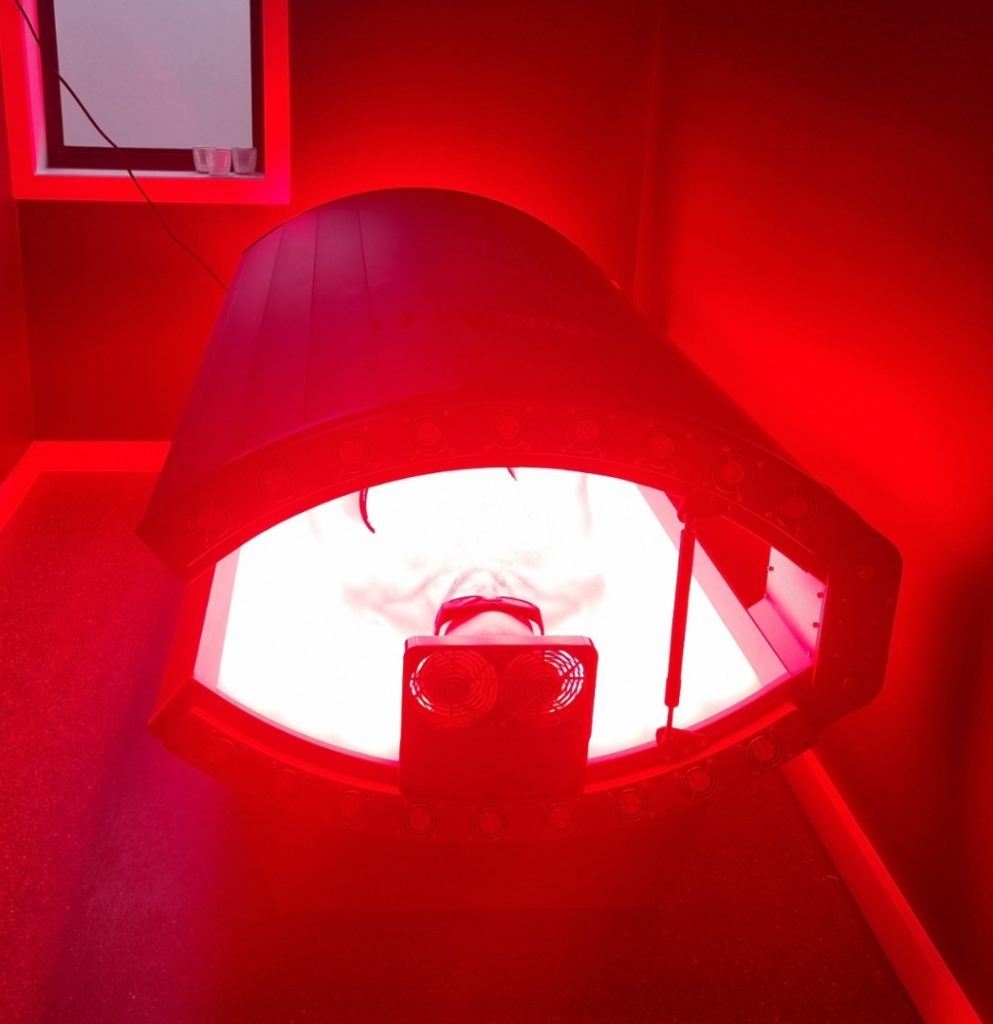
Modern wellness technology has introduced a variety of non-invasive options for people interested in relaxation, recovery, and general well-being. Among these options, full-body light therapy has attracted attention because it allows larger areas of the body to be exposed to controlled light during a single session. The approach is increasingly discussed in wellness centers, fitness environments, aesthetic clinics, and personal care routines.
A full-body red light therapy system is designed to provide broad coverage rather than focusing only on a small area. This makes the technology interesting for people and professionals looking for a more convenient way to incorporate red and near-infrared light into a structured wellness routine. Understanding how these systems work and what to consider before using one can help create more realistic expectations.
What Is Full-Body Red Light Therapy?
Red light therapy uses specific wavelengths of visible red light and, in some systems, near-infrared light. These wavelengths are delivered through LED panels or other specially designed equipment. A full-body setup is intended to cover a larger portion of the body during treatment.
Unlike invasive procedures, light therapy does not involve needles or surgical techniques. Sessions are generally performed for a specific amount of time according to the equipment manufacturer’s instructions. The experience can vary depending on the system, wavelength, treatment settings, and individual circumstances.
Why Full-Body Coverage Can Be Useful
One of the main features of a full-body system is its wider treatment area. Instead of moving a small device from one part of the body to another, a larger system can provide light exposure across multiple areas at the same time.
This can make sessions more convenient for wellness businesses and individuals who want to include light therapy as part of a regular routine. The design of the equipment can also make it easier to establish a consistent treatment environment.
However, more coverage does not automatically mean better results. Treatment should still follow the recommended settings, exposure time, and instructions provided by the manufacturer.
Understanding Red And Near-Infrared Light
Red and near-infrared wavelengths are commonly used in light therapy systems. Although both are part of the same general technology, they differ in wavelength and how deeply the light can interact with tissue.
Red light is visible to the human eye and is commonly used in skincare and wellness applications. Near-infrared light has a longer wavelength and is not visible in the same way as red light.
Different systems may use one wavelength or a combination of several wavelengths. When comparing equipment, it is therefore useful to check the exact specifications rather than assuming that every red light therapy device works in the same way.
Potential Uses In Wellness And Recovery
Red light therapy is often incorporated into wellness routines focused on relaxation, recovery, and general self-care. Fitness enthusiasts may also be interested in light therapy as part of their broader recovery routine after physical activity.
Some professional environments use light-based technology alongside other wellness services. The goal may be to create a comfortable treatment experience that complements existing programs.
Individual experiences can vary, and light therapy should not be presented as a guaranteed treatment for a medical condition. Anyone using it for a specific health concern should discuss appropriate options with a qualified healthcare professional.
Choosing A Full-Body Therapy System
There are several factors to consider when selecting full-body light therapy equipment. Coverage area is one of the most obvious. A system should fit the intended treatment space while providing appropriate coverage for the type of sessions being offered.
Wavelengths are another important consideration. Look for clear information about the red and near-infrared wavelengths provided by the system. Treatment time, operating controls, construction quality, and ease of maintenance can also influence the overall experience.
For professional settings, it can be particularly useful to consider how easy the system is to operate between sessions. Clear controls and straightforward cleaning procedures can make regular use more convenient.
Creating A Consistent Routine
Consistency is an important part of many wellness routines. Users should follow the manufacturer’s recommendations regarding session frequency, duration, positioning, and distance from the light source.
It can also be helpful to keep track of sessions and pay attention to how the body responds. Increasing treatment duration or intensity without guidance is not necessarily better and may not provide additional benefits.
Combining light therapy with healthy lifestyle habits such as regular physical activity, sufficient rest, hydration, and balanced nutrition can provide a more complete approach to general wellness.
Safety And Proper Equipment Use
Although red light therapy is non-invasive, the equipment should still be used responsibly. Always read the manufacturer’s instructions before beginning a treatment and follow the recommended exposure settings.
Some systems may have specific guidance concerning eye protection, positioning, treatment distance, and session duration. These instructions should not be ignored or replaced with assumptions based on another device.
People with specific medical conditions or those taking medications that may increase light sensitivity should seek appropriate medical advice before using light therapy equipment.
Making Light Therapy Part Of Modern Wellness
Full-body light therapy systems provide a convenient way to incorporate red and near-infrared light into a structured wellness routine. Their larger coverage areas can make them suitable for professional environments, fitness settings, and individuals interested in broader treatment sessions.
The key is to understand the technology, compare equipment specifications, follow manufacturer instructions, and maintain realistic expectations. Used as part of a responsible wellness routine, full-body light therapy can be an interesting addition to modern approaches to relaxation, recovery, and self-care.